Herpes simplex virus
Overview
Herpes simplex virus (HSV), known as herpes, is a common infection that can cause painful blisters or ulcers. It primarily spreads by skin-to-skin contact. It is treatable but not curable.
There are two types of herpes simplex virus.
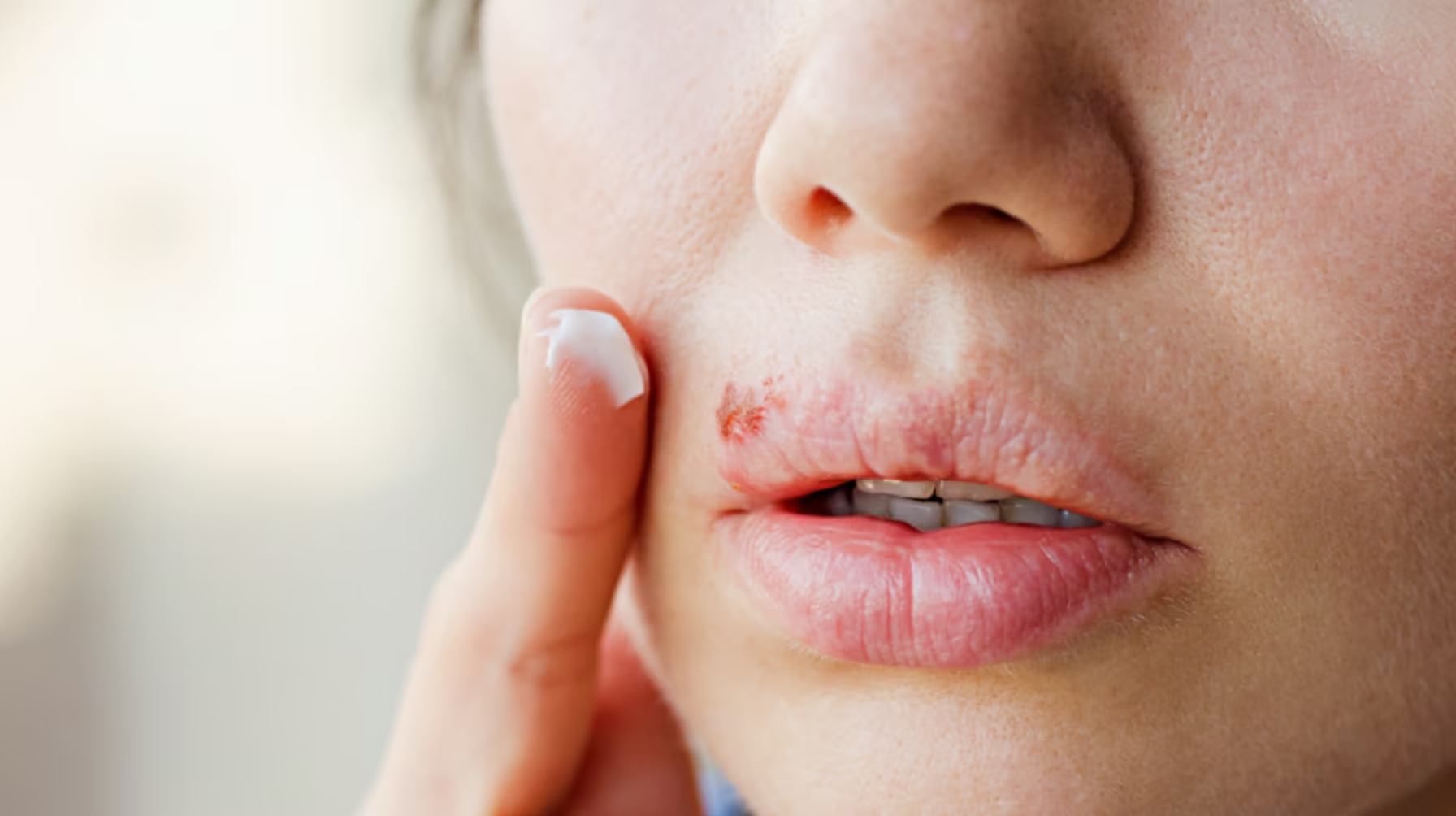
Type 1 (HSV-1) mostly spreads by oral contact and causes infections in or around the mouth (oral herpes or cold sores). It can also cause genital herpes. Most adults are infected with HSV-1.
Type 2 (HSV-2) spreads by sexual contact and causes genital herpes.
Most people have no symptoms or only mild symptoms. The infection can cause painful blisters or ulcers that can recur over time. Medicines can reduce symptoms but can’t cure the infection.
Recurrent symptoms of both oral and genital herpes may be distressing. Genital herpes may also be stigmatizing and have an impact on sexual relationships.
Key facts
- Infection with HSV-2 increases the risk of acquiring and transmitting HIV infection.
- An estimated 3.8 billion people under age 50 (64%) globally have herpes simplex virus type 1 (HSV-1) infection, the main cause of oral herpes.
- An estimated 520 million people aged 15–49 (13%) worldwide have herpes simplex virus type 2 (HSV-2) infection, the main cause of genital herpes.
- Most HSV infections are asymptomatic or unrecognized, but symptoms of herpes include painful blisters or ulcers that can recur over time.
- An estimated 205 million people aged 15–49 (5.3%) experienced at least one symptomatic episode of genital herpes in 2020 (1).
Symptoms
Most people with herpes have no symptoms or only mild symptoms. Many people aren’t aware they have the infection and can pass along the virus to others without knowing.
Symptoms can include painful, recurring blisters or ulcers. New infections may cause fever, body aches and swollen lymph nodes.
Symptoms may be different during the first episode (or ‘outbreak’) of infection than during a recurrent episode. If symptoms occur, they often begin with tingling, itching or burning near where the sores will appear.
Common oral herpes symptoms include blisters (cold sores) or open sores (ulcers) in or around the mouth or lips.
Common genital herpes symptoms include bumps, blisters, or open sores (ulcers) around the genitals or anus.
These sores and blisters are typically painful. Blisters may break open, ooze and then crust over.
During their first infection, people may experience:
- fever
- body aches
- sore throat (oral herpes)
- headache
- swollen lymph nodes near the infection.
People can have repeated outbreaks over time (‘recurrences’). These are usually shorter and less severe than the first outbreak.
Treatment
Medicines are often used to treat first or recurrent symptomatic episodes (outbreaks) of herpes. They can decrease how long symptoms last and how severe they are, but they can’t cure the infection.
Treatment for recurrent episodes is most effective when started within 48 hours of when symptoms begin.
Antiviral medicines commonly given include acyclovir, famciclovir and valacyclovir.
Taking a lower dose of one of these medicines every day (suppressive therapy) can also decrease how often symptoms occur.
Daily treatment is often recommended for people who get very painful or frequent recurrent episodes or who want to lower the risk of giving herpes to someone else.
Medicines to help with pain related to sores include paracetamol (acetaminophen), naproxen or ibuprofen. Medicines that can be applied to numb the affected area include benzocaine and lidocaine.
Herpes simplex virus lives inside of nerve cells and alternates between being inactive and active. Certain triggers can reactivate the virus including:
- illness or fever
- sun exposure
- menstrual period
- injury
- emotional stress
- surgery.
For people whose oral herpes is activated by sunlight, avoiding sun exposure and wearing sunscreen can lower the risk of recurrences.
To decrease symptoms of oral herpes, people can:
- drink cold drinks or suck on popsicles
- use over-the-counter pain medicines.
For genital herpes, people can:
- sit in a warm bath for 20 minutes (without soap)
- wear loose fitting clothes
- use over-the-counter pain medicines.
There are ways to lower the risk of spreading herpes including:
- talk to your partner about having herpes
- don’t have sex if you have symptoms and always wear a condom
- don’t share items that touched saliva (oral herpes).
Talk to your healthcare provider if you are pregnant, because there is a risk of passing herpes to your baby.
Scope of the problem
In 2020 (last available estimates), 3.8 billion people under the age of 50, or 64% of the global population, had HSV-1 infection (oral or genital). Most HSV-1 infections are acquired during childhood to cause oral herpes. Around 10% of these (376 million) were estimated to be genital infections occurring in 15–49-year-olds.
Genital herpes caused by HSV-2 affects an estimated 520 million (13%) people aged 15–49 years worldwide (2020 data). HSV-2 infects women almost twice as often as men because sexual transmission is more efficient from men to women. Prevalence increases with age, though the highest number of new infections are in adolescents and young adults.
An estimated 205 million people aged 15–49 (5.3%) experienced at least one symptomatic episode of genital herpes in 2020. The majority of these people (92%) had symptoms related to HSV-2 infection. HSV-2 is much more likely than genital HSV-1 infection to cause recurrent symptoms.
Transmission
HSV-1 is mainly transmitted via contact with the virus in sores, saliva or skin surfaces in or around the mouth. Less commonly, HSV-1 can be transmitted to the genital area through oral-genital contact to cause genital herpes. It can be transmitted from oral or skin surfaces that appear normal; however, the greatest risk of transmission is when there are active sores. People who already have HSV-1 are not at risk of reinfection with HSV-1, but they are still at risk of acquiring HSV-2.
HSV-2 is mainly transmitted during sex through contact with genital or anal surfaces, skin, sores or fluids of someone infected with the virus. HSV-2 can be transmitted even if the skin looks normal and is often transmitted in the absence of symptoms.
In rare circumstances, herpes (HSV-1 and HSV-2) can be transmitted from mother to child during delivery, causing neonatal herpes.
Possible complications
HSV-2 and HIV infection
HSV-2 infection increases the risk of acquiring HIV infection by approxi… read more

0 Comments