Insomnia: Symptoms, Causes, Diagnosis & Treatment Guide
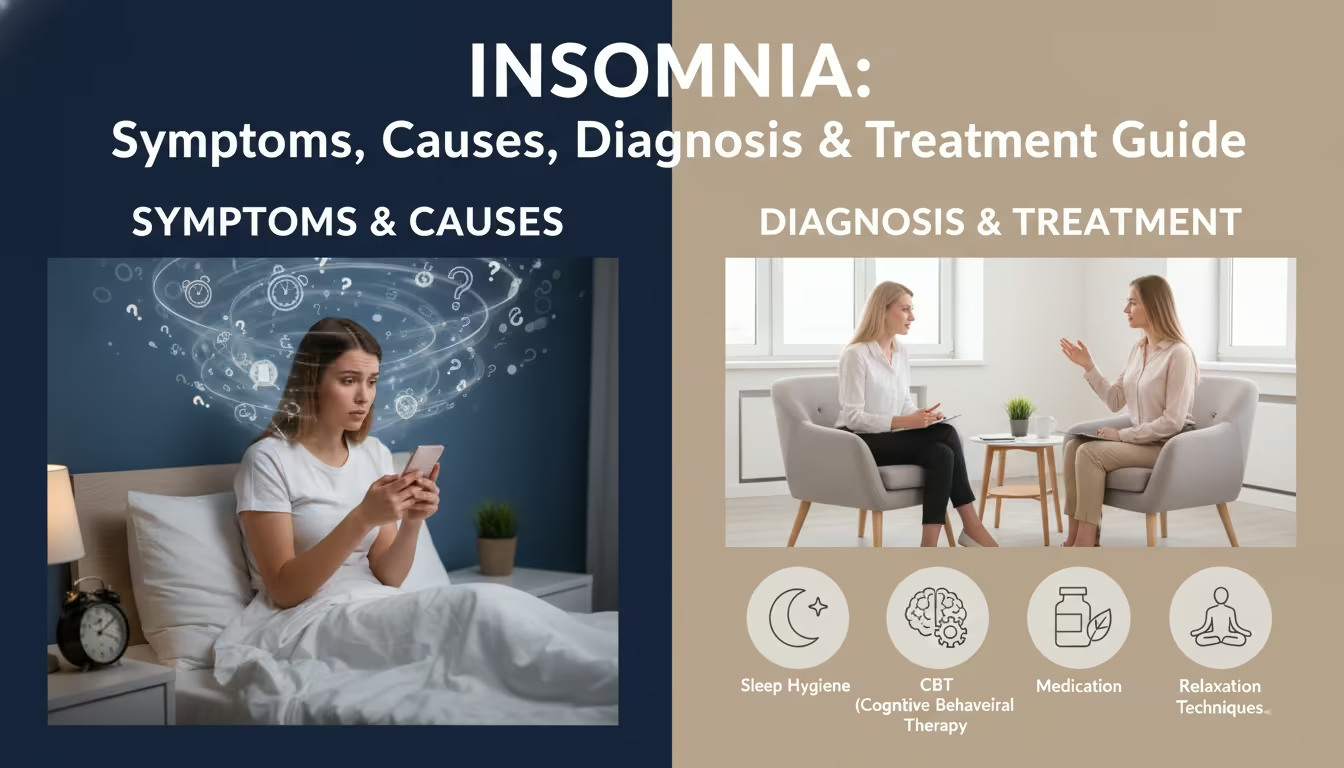
Insomnia is a common sleep disorder that affects how well and how long you sleep. If you have insomnia, you may struggle to fall asleep, stay asleep or wake up feeling rested. As a result, your daytime energy, mood and focus can suffer.
Although occasional sleep problems are common, about 10% of people worldwide experience chronic insomnia — a form that qualifies as a medical condition. Fortunately, effective treatments are available, including therapy and medication.
What Is Insomnia?
Insomnia is a sleep disorder that makes it difficult to fall asleep or remain asleep throughout the night. In some cases, people wake up too early and can’t return to sleep. While mild insomnia may simply feel frustrating, more severe or long-term insomnia can significantly disrupt daily life.
Globally, about one in three adults reports symptoms of insomnia. However, chronic insomnia — defined as sleep problems lasting at least three months — affects roughly 10% of adults.
Your body relies on quality sleep to repair tissues, regulate hormones, support brain function and maintain emotional balance. Therefore, ongoing sleep disruption can impact both physical and mental health.
If you regularly struggle with sleep, it’s important to speak with a healthcare provider. Treatment can help restore healthier sleep patterns.
Symptoms of Insomnia
Insomnia can affect both nighttime sleep and daytime functioning.
Common symptoms include:
- Difficulty falling asleep
- Waking up during the night (most common)
- Waking up too early and being unable to fall back asleep
- Feeling tired, unwell or sleepy during the day
- Slowed reactions, especially while driving
- Trouble concentrating or thinking clearly
- Memory problems
- Mood changes such as irritability, anxiety or depression
- Difficulty performing work, social or daily activities
When insomnia becomes severe or long-lasting, the effects of sleep deprivation may become dangerous — particularly if daytime sleepiness interferes with tasks like driving.
What Causes Insomnia?
Experts believe insomnia develops from a combination of biological, psychological and environmental factors. In many cases, multiple issues contribute at the same time.
Possible causes include:
Genetics
Sleep patterns and certain sleep disorders tend to run in families. Therefore, your risk may be higher if close relatives also experience insomnia.
Brain activity differences
Some people with insomnia appear to have more active brains at night. Differences in brain chemistry may also interfere with sleep regulation.
Medical conditions
Temporary illnesses, such as infections or injuries, can disrupt sleep. In addition, chronic conditions like long-term pain or Parkinson’s disease may contribute to insomnia.
Hormonal changes
Pregnancy and menopause often affect sleep quality due to hormonal shifts.
Mental health conditions
About half of people with chronic insomnia also have anxiety, depression or another mental health condition.
Life stress and changes
Stressful events, major life transitions, jet lag or shift work can all interfere with sleep. Even moving to a new home can temporarily affect rest.
Lifestyle habits
Sleep habits play a major role. For example, caffeine use, alcohol consumption, irregular bedtimes and daytime naps may worsen insomnia.
Risk Factors
You may be more likely to develop insomnia if you:
- Are naturally a light sleeper
- Drink alcohol regularly
- Feel unsafe at home
- Experience anxiety about sleep
- Have nighttime panic attacks or frequent nightmares
Possible Complications
If insomnia persists, chronic sleep deprivation can increase the risk of serious health conditions.
These include:
- Depression
- Anxiety disorders
- High blood pressure
- Heart attack
- Stroke
- Obstructive sleep apnea
- Type 2 diabetes
- Obesity
- Psychosis-related conditions
In addition, severe daytime sleepiness raises the risk of accidents, especially while driving or operating machinery.
How Is Insomnia Diagnosed?
To diagnose insomnia, a healthcare provider will review your medical history, sleep patterns and symptoms. They may also recommend testing to rule out other sleep disorders.
Possible tests include:
- Sleep apnea testing
- Actigraphy (wearable sleep monitoring)
- Multiple Sleep Latency Test (MSLT)
Criteria for Chronic Insomnia
To receive a diagnosis of chronic insomnia, symptoms must:
- Occur at least three times per week
- Last for three months or longer
- Not be fully explained by substances, medications or another sleep disorder
- Not be solely caused by medical or mental health conditions
Treatment Options for Insomnia
Treatment depends on the severity and cause of insomnia. In general, healthcare providers recommend behavioral therapy as the first step. Medications may also be helpful in certain cases.
Cognitive Behavioral Therapy for Insomnia (CBT-I)
CBT-I is considered the first-line treatment. It focuses on identifying thoughts and behaviors that interfere with sleep and replacing them with healthier patterns.
Typically, CBT-I involves six to eight sessions and may be offered individually or in groups.
Common CBT-I techniques include:
- Sleep Restriction Therapy (SRT): Limits time in bed to improve sleep efficiency.
- Stimulus Control Therapy: Strengthens the mental connection between bed and sleep while reducing wakeful activities in bed.
- Sleep Hygiene Education: Encourages habits such as limiting caffeine and creating a comfortable sleep environment.
- Cognitive Therapy: Addresses negative beliefs or fears related to sleep.
Over time, these strategies help retrain the brain and body for healthier sleep patterns.
Medications
If therapy alone isn’t enough, medications may be prescribed. However, not all medications work for everyone, and some may interact with other treatments.
Common categories include:
- Benzodiazepines
- “Z-drugs”
- Dual orexin receptor antagonists (DORAs)
- Tricyclic antidepressants (TCAs)
- Melatonin and related medications
Although certain herbs and supplements claim to improve sleep, you should consult your provider before taking them to avoid side effects or interactions.
When Should You See a Healthcare Provider?
You should speak with your provider if:
- Insomnia symptoms persist despite self-care
- Your sleep problems worsen
- Medications cause side effects
- Daytime sleepiness affects safety or daily functioning
Early treatment can prevent complications and improve overall quality of life.
Outlook and Prognosis
Occasional insomnia usually isn’t serious. You may simply feel tired the next day. However, chronic insomnia can significantly disrupt daily life and increase health risks if left untreated.
The good news is that effective treatments are available. With proper support — whether behavioral therapy, medication or both — most people experience meaningful improvement.
Final Thoughts
Many people wish they could simply press a button and fall asleep instantly. While that isn’t possible, help is available. Insomnia can take a toll on your mental and physical health; however, it doesn’t have to control your life.
If you’re struggling with sleep, consider reaching out to a healthcare provider. With the right approach, restful nights are achievable.


0 Comments