Mediterranean Diet vs Macrobiotics

We have all heard the statistics about the increase in obesity from processed foods, soda, and sugars. Because of this there has been an abundance of diet tips, diet profiles, and diet books claiming to be the best diet to lose weight. Even with all the diet information, individuals struggle to maintain a healthy diet and lifestyle balance.
It has become hard to figure out which diets will work, if a diet is healthy, and if that diet will help in the long run. In this article, we will discuss the diet profiles of Mediterranean diet versus a macrobiotic diet. Where they come from, their similarities and differences, and which one is best for a healthy lifestyle.
About the Mediterranean Diet
The Mediterranean diet is based on the diets of people from Crete, Greece, and Southern Italy. Furthermore, Mediterranean diet has become popular because individuals show low rate of heart disease, chronic disease, and obesity. Moreover, a Mediterranean diet profile focuses on whole grains, good fats (fish, olive oil, nuts etc.), vegetables, fruits, fish, and very low consumption of any non-fish meat. Along with food, the Mediterranean diet emphasizes the need to spend time eating with family and physical activity.
The New Mediterranean Diet Pyramid
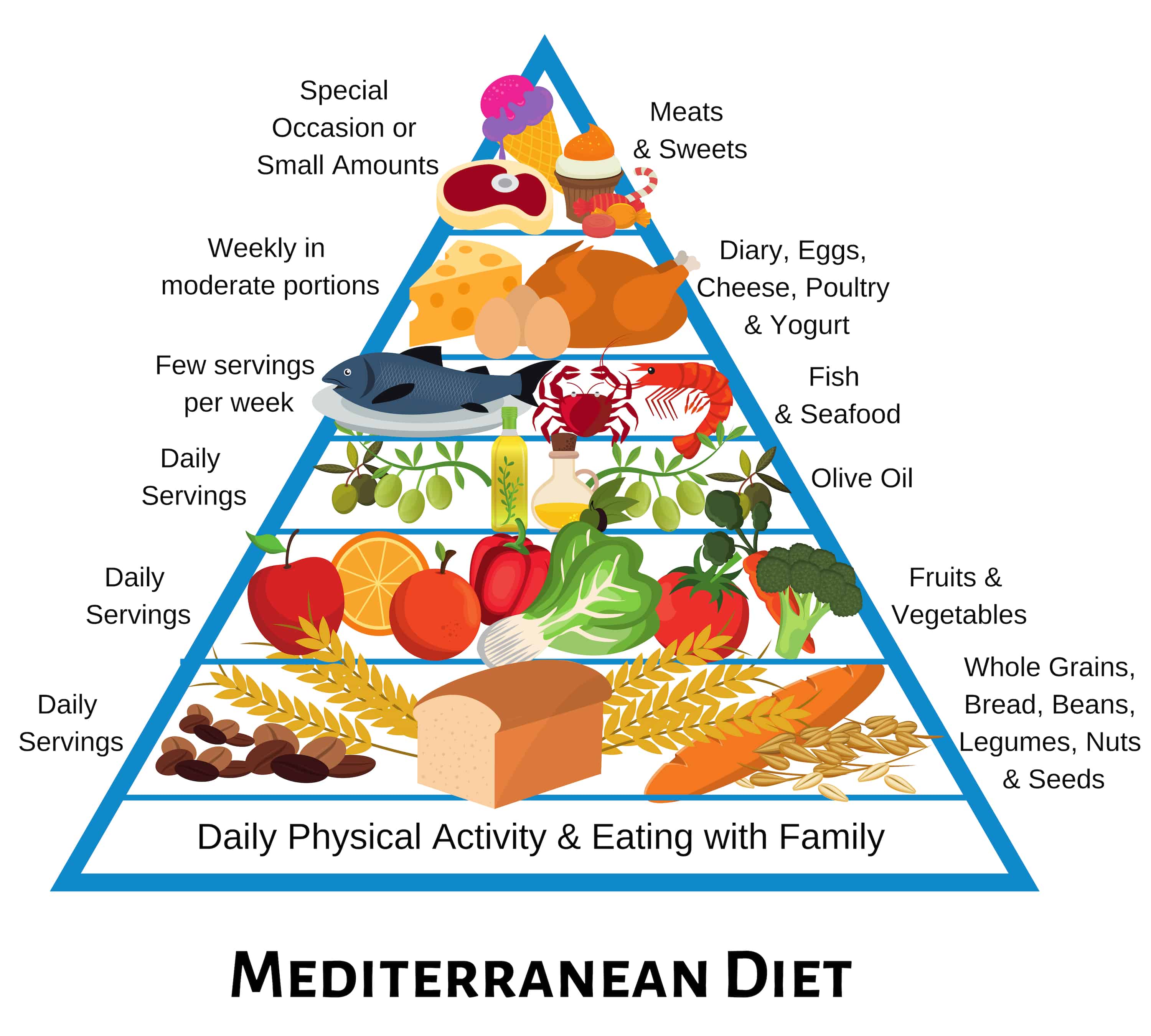
The new Mediterranean diet pyramid has the same food categories but advocates for less carbs since modern life is more sedentary. From the new Mediterranean diet pyramid, a Mediterranean diet meal plan would be:
Breakfast: Oatmeal with Walnuts
Snack: Fruit
Lunch: Green Salad with olives, chickpeas, cucumbers
Snack: Nuts
Dinner: Cod with Vegetables and Couscous
About the Macrobiotic Diet
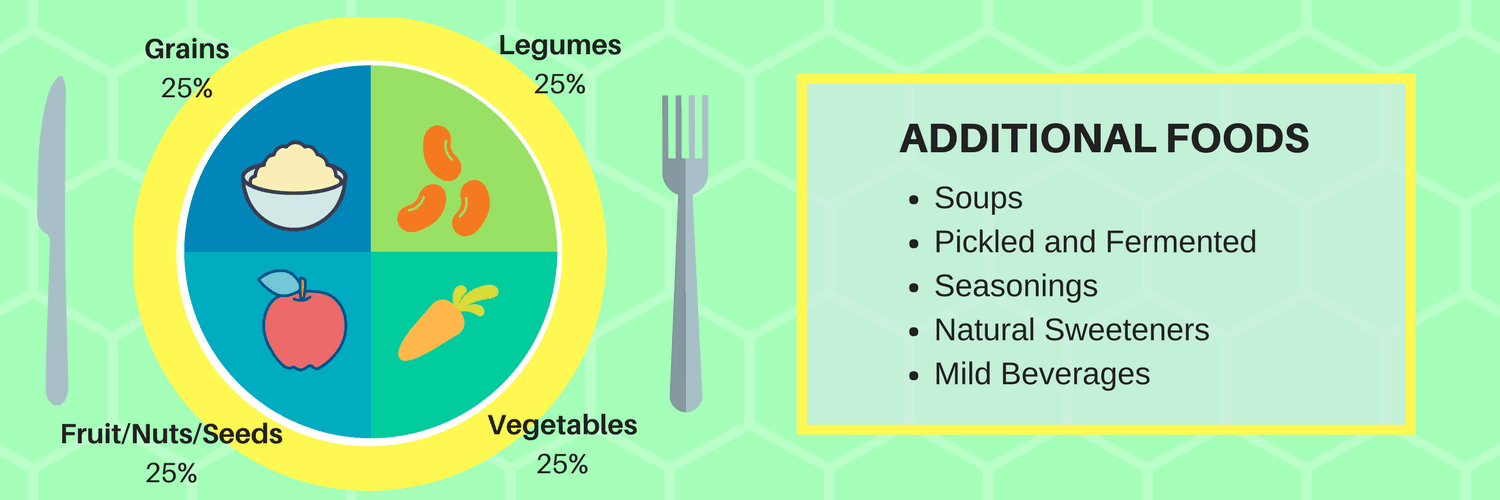
On the other hand, macrobiotic diet is inspired by the eating habits and lifestyles of the world’s longest standing civilizations. Similar to the Mediterranean diet, the macrobiotic diet has success in helping individuals with chronic disease, obesity, and heart health. The macrobiotic diet profile highlights equal parts grains, legumes, vegetables, and fruits/nuts/seeds. Additionally, seasonal foods, local foods, soups, pickled and fermented foods, seasonings, natural sweeteners, and mild beverages are recommended with little to no animal products.
Unlike the Mediterranean diet, macrobiotics, meaning great life, is considered more of a lifestyle than diet. It is a lifestyle because it uses healthy food choices to assist individuals with finding balance and harmony in their life. Macrobiotics is about being mindful, connecting, and discovering healthy patterns through food. If an individual is healthy, then they will inspire strong, mindful, and flexible families, communities, and environments.
The Lifestyle and Macrobiotic Diet Food Pyramid
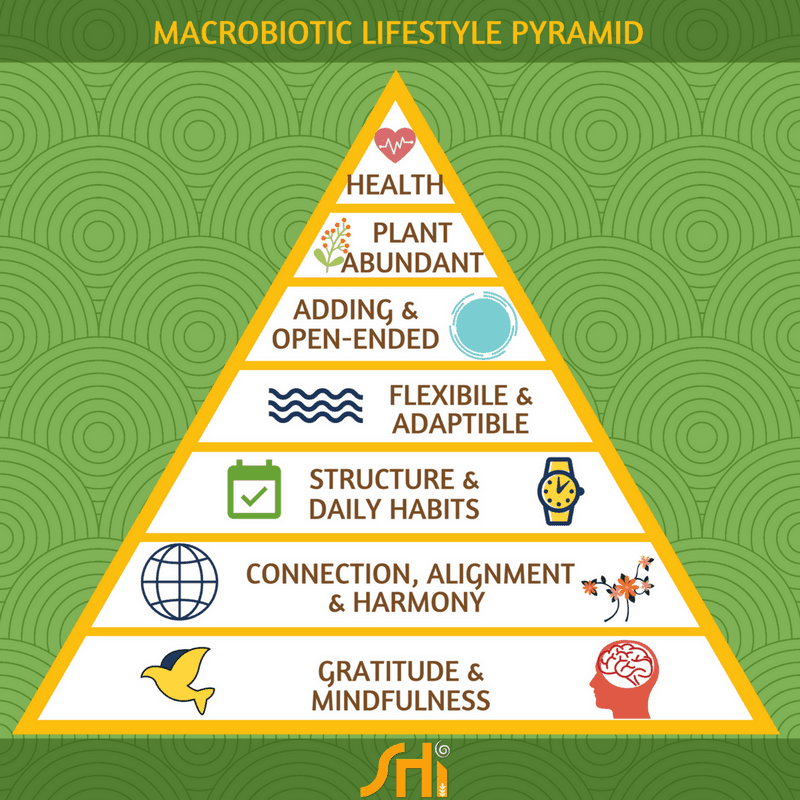
The macrobiotic diet food pyramid represents the importance of finding structure, daily habits, and harmony to improve stress management, mental health, and physical health. With this in mind, here is a sample macrobiotic diet meal plan:
Breakfast: Oatmeal & Steamed Greens
Snack: Steamed Sweet Potatoes
Lunch: Steamed Sourdough Bread with Tahini & Sauerkraut & Miso Soup with Tofu
Snack: Seeds or Nuts
Dinner: Pasta Primavera & Salad
Best Diet to Maintain Health
The Mediterranean diet and the macrobiotic diet are both great for heart health, obesity, and chronic disease because of the large portions of food being healthy vegetables, fruits, nuts, seeds, and grains. However, the Mediterranean diet is not about specific amounts. They are vague about how much you should eat of each category, which can be a struggle for those attempting to lose weight.
The Strengthening Health version of the macrobiotic diet specifies the amounts by 25% grains, 25% legumes, 25% vegetables, and 25% fruit, nuts and seeds. Individuals will then have an easier time knowing how much they should eat and what meals to prepare using these basic guid.. read more



0 Comments