What These 5 Women Want You to Know About Living With Heart Disease

Five women share their stories and what they want others to know about cardiovascular disease. Design by Healthline; Photography courtesy of The American Heart Association (AHA)
- Cardiovascular disease is the leading cause of death among females.
- The signs and symptoms of heart disease and heart attack may differ in females compared to males.
- Five women share their experiences with cardiovascular disease and their advice to others for American Heart Month.
- A cardiologist explains how heart disease differs in females and the signs to be aware of.
Cardiovascular disease can affect anyone, but women may face higher risks, especially as they get older.
According to the American Heart Association (AHA), it’s the number one cause of death among women, leading to 1 in 3 deaths each year.
Here are some quick facts about female heart disease:
- Cardiovascular disease causes more female deaths than all cancers combined. However, only 56% of women recognize this as their greatest health risk.
- Among females ages 20 and over, 45% are living with some form of cardiovascular disease.
- The risk factors for cardiovascular disease in females can accelerate during menopause.
- There are an estimated 4.1 million female stroke survivors living today. However, approximately 57.5% of total stroke deaths are among females.
- Cardiovascular disease affects some females at higher rates than others. However, most cardiovascular diseases can still be prevented with education and healthy lifestyle changes.
Females may be less likely to receive CPR from a bystander in an emergency situation. This is largely due to the fear of being accused of inappropriate touching, sexual assault, or injuring the individual.
“There are several reasons why clinicians underdiagnose cardiovascular disease in women,” said Jennifer Mieres, senior vice president for the Center for Advancing Health for All at Northwell Health, professor of cardiology and associate dean of faculty affairs at the Zucker School of Medicine at Hofstra/Northwell, and medical expert for Go Red for Women.
“First, there is a spectrum of symptoms that indicate ischemic heart disease in women. Women can experience symptoms that are different than the traditional “elephant on the chest” pain we often associate with heart disease or a heart attack,” she told Healthline.
“Second, women are vastly underrepresented in clinical trials. So many studies haven’t included women or haven’t analysed women-specific heart health data. As women become represented in medical research, we have begun to refine and advance our understanding of the best ways to diagnose and treat women for cardiovascular disease,” Mieres added.
5 female heart disease survivors share their stories
American Heart MonthTrusted Source aims to raise awareness about cardiovascular disease risks.
The following stories are from women who’ve experienced cardiovascular disease and their journeys through diagnosis, treatment, and recovery.
Anjellica Davis, 37
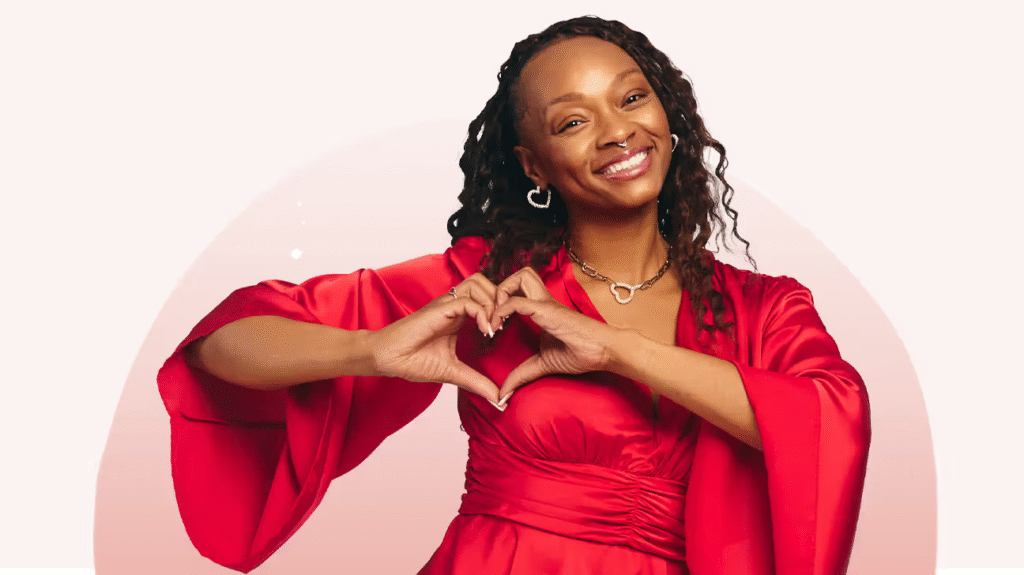
Design by Healthline; Photography courtesy of The American Heart Association
In 2022, Anjellica gave birth to her third son. She expected she would experience some postpartum fatigue. But her symptoms were far from typical. She felt like she was drowning when lying down and had difficulty breathing.
“The first signs didn’t feel dramatic or obvious at all, which is part of what made them so dangerous. I was extremely short of breath doing simple things — walking up stairs, carrying groceries, even talking at times,” Anjellica told Healthline.
Doctors diagnosed Anjellica with postpartum cardiomyopathy, a rare form of heart failure that can occur after childbirth.
Her health declined rapidly. By November, she was placed on the transplant list. Just days later, she received a donor heart just six months after giving birth. Recovery was grueling, but Anjellica pushed through.
“Looking back now, the signs were there — I just didn’t recognize them for what they were. I normalized everything. The fatigue, the breathlessness, the swelling, the way my body felt like it was struggling to keep up. I didn’t realize that women, especially postpartum women, can experience heart symptoms that don’t look like the textbook version,” she said.
Her journey inspired a new purpose: She entered nursing school and wants to specialize in cardiovascular care. Today, she advocates for maternal heart health in her South Carolina community.
“Women need to know that heart symptoms aren’t one-size-fits-all. Shortness of breath, extreme fatigue, dizziness, nausea, swelling, back or jaw pain, and just an overwhelming sense that something isn’t right all matter,” Anjellica noted.
“Especially for women who are pregnant or postpartum, these symptoms should never be brushed off as ‘normal.’ If your body is whispering — or screaming — you should listen,” she added.
Lori Sepich, 64
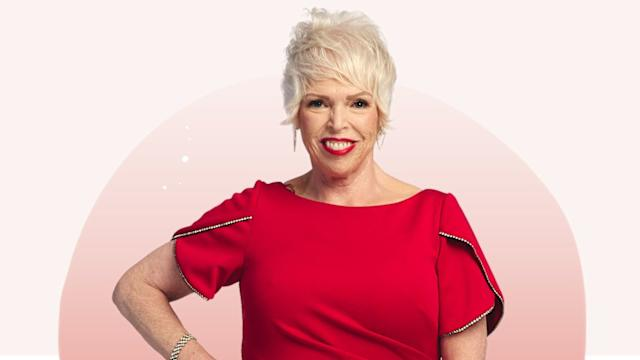
Design by Healthline; Photography courtesy of The American Heart Association
Lori’s heart disease journey began at 17 with a diagnosis of extreme hypertension.
She ignored medications and symptoms for years, until Easter Sunday 2005, when she experienced heavy chest pressure, pain radiating down both arms, instant nausea (being sick), and cold sweats.
The next day at work, her symptoms intensified, so Lori drove herself to the ER — smoking a cigarette on the way. While being evaluated, she was asked if she smoked. Lori joked that she had quit smoking “5 minutes ago.”
That moment marked the end of her smoking habit and the beginning of a new chapter. Lori had suffered a heart attack and had six stents in her heart.
Recovery was both physical and emotional.
In 2018, she faced another scare: 100% blockage in her widowmaker artery, leading to a second heart attack.
This time, fear of losing a new job caused her to delay her treatment, but the experience was a wake-up call.
Today, Lori champions heart health and mental wellness, helping others with similar experiences turn pain into healing and connection.
“We know that men and women can have different symptoms and signs. Men usually have: extreme chest pain, radiating pain in the left arm or both arms, breaking out in cold sweat,” Lori told Healthline.
“Women can have different symptoms such as: fatigue, dull pain [in the] neck, back, or jaw, shortness of breath, nausea, indigestion, and overall, just not feeling well,” she added.
Alex Wilson-Garza, 28

Design by Healthline; Photography courtesy of The American Heart Association
Alex was a healthy and thriving ER nurse. One day, while having lunch with her husband, she suddenly felt diz… Read More

0 Comments