WHO Private Funding: Influence, Impact, and Controversy
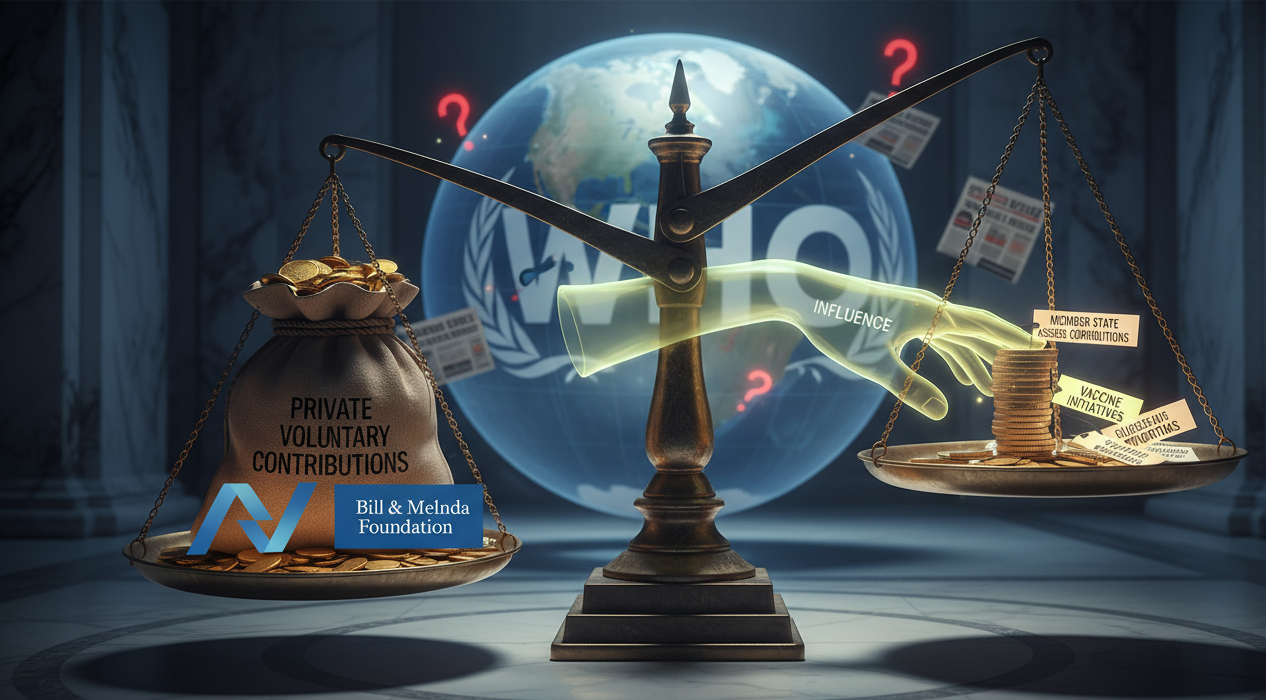
The World Health Organization (WHO) plays a central role in coordinating global public health. From disease eradication campaigns to pandemic response, its work depends heavily on financial support. While member states provide assessed contributions, a significant portion of WHO’s budget comes from voluntary and private funding. This funding structure has sparked ongoing debate about independence, priorities, and transparency.
Understanding WHO’s Funding Structure
WHO receives funding from two primary sources:
- Assessed Contributions – Mandatory dues paid by member states based on their wealth and population.
- Voluntary Contributions – Donations from governments, philanthropic foundations, international organizations, and private entities.
Over time, voluntary contributions have grown to represent the majority of WHO’s budget. Much of this funding is earmarked for specific projects, meaning donors often determine how their contributions are used.
Major Private Contributors
Among private donors, the Bill & Melinda Gates Foundation has been one of the largest contributors. Other non-state donors include partnerships like GAVI Alliance and collaborations with organizations such as the World Bank.
These partnerships have significantly boosted funding for immunization programs, malaria prevention, HIV/AIDS initiatives, and maternal and child health services.
Benefits of Private Funding
Private funding has enabled WHO to:
- Expand vaccination campaigns in low-income countries
- Accelerate research and development for vaccines and treatments
- Respond more rapidly to global health emergencies
- Support disease eradication efforts
In many cases, philanthropic contributions have filled funding gaps left by limited government budgets.
Concerns About Influence and Independence
Despite its advantages, private funding has raised important concerns:
- Earmarked Funds: Many donations are restricted to specific programs, limiting WHO’s flexibility to allocate resources based on emerging global priorities.
- Policy Influence: Critics argue that large donors may indirectly influence WHO’s agenda, potentially shifting focus toward donor-preferred issues.
- Funding Imbalance: Heavy reliance on voluntary contributions can weaken WHO’s financial stability and long-term planning capacity.
These concerns have led to calls for reform, including increasing assessed contributions from member states to strengthen WHO’s independence.
Reform and Sustainable Financing Efforts
In recent years, WHO has initiated efforts to rebalance its funding model. The goal is to increase mandatory member-state contributions to reduce overreliance on earmarked voluntary funds. Strengthening core funding would allow WHO to act more autonomously and respond more effectively to global health crises.
The Future of WHO Financing
Private funding remains essential to global health progress. However, ensuring transparency, accountability, and balanced governance is critical. A sustainable financing model—combining reliable member-state support with responsible philanthropic engagement—may offer the most stable path forward.
Ultimately, the effectiveness of the World Health Organization depends not only on the amount of funding it receives but also on how independently and strategically those funds are managed to serve global public health needs. Read More…


0 Comments