Diabetic crew socks are specially designed socks for people with diabetes to help protect their feet from injury, improve circulation, and reduce the risk of infection. They’re typically seamless, non-binding, made from moisture-wicking materials, and come up to mid-calf (the “crew” height). Unlike regular socks, they avoid tight elastic bands that can restrict blood flow—a serious concern for those with diabetic neuropathy or poor circulation.
How Diabetic Crew Socks Differ from Regular Socks
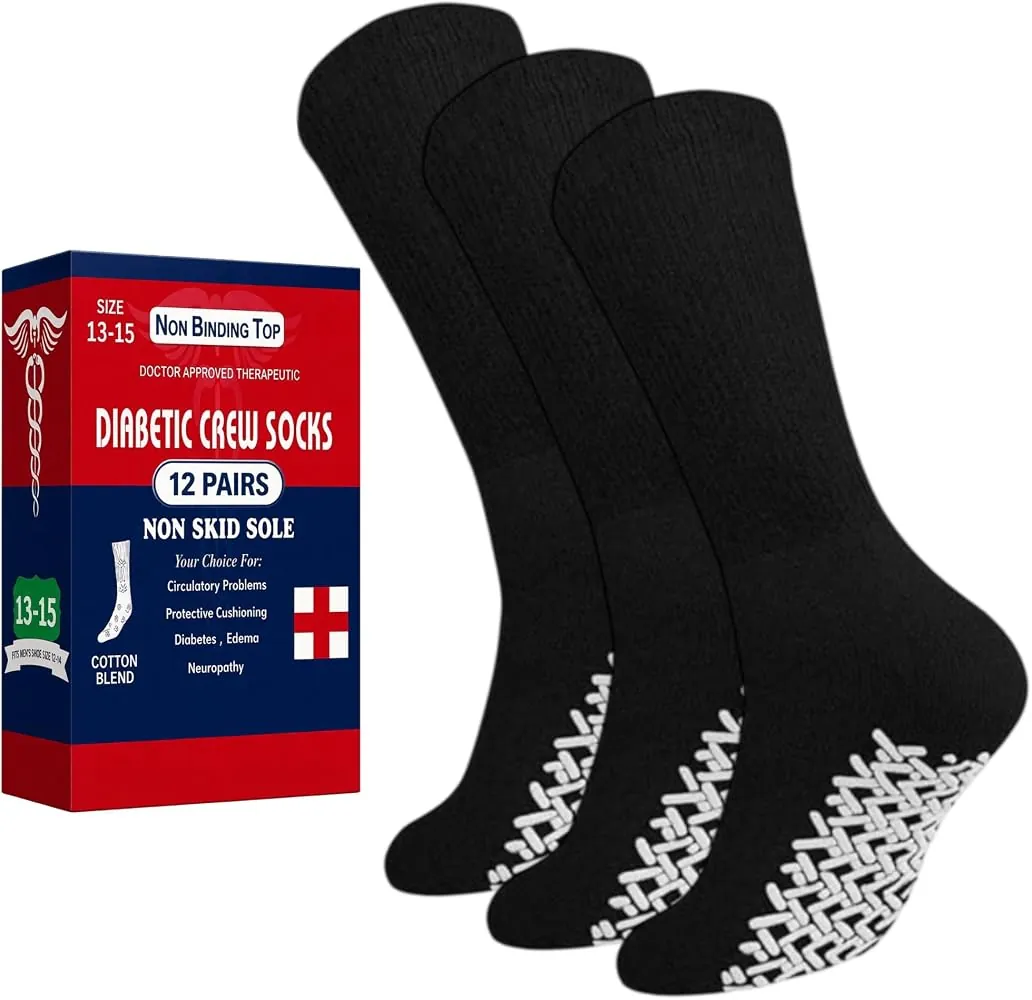
Regular socks often have tight elastic tops, interior seams, and cotton-heavy blends that trap moisture—conditions that can quickly become dangerous for people with diabetes. Diabetic crew socks address these risks with purpose-built features:
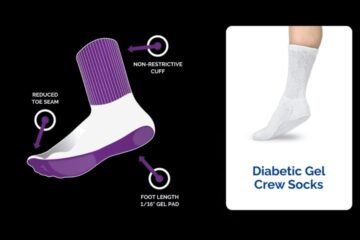
- No restrictive cuffs: The top stays in place without digging into the skin, reducing pressure that can impair circulation or cause sores.
- Seamless toe closure: Eliminates friction points that lead to blisters or ulcers—common entry points for infection.
- Moisture-wicking fabric: Typically made from acrylic, nylon, or bamboo blends rather than 100% cotton, because damp skin softens and breaks down faster, increasing vulnerability.
- Extra cushioning: Strategically placed under the heel and ball of the foot to absorb impact during walking, lowering stress on sensitive areas.
- Antimicrobial treatment: Built-in agents help suppress bacteria and fungi, controlling odor and cutting infection risk.
These aren’t just “comfort” upgrades—they’re preventive tools. According to the Centers for Disease Control and Prevention (CDC), over 130,000 lower-limb amputations occur yearly in the U.S. due to diabetes complications, many stemming from minor foot injuries that went unnoticed or untreated.
Tip: Even if you don’t feel pain, check your feet daily. Neuropathy can mask cuts, blisters, or redness until it’s too late.
Who Should Wear Them—and Who Might Not Need To
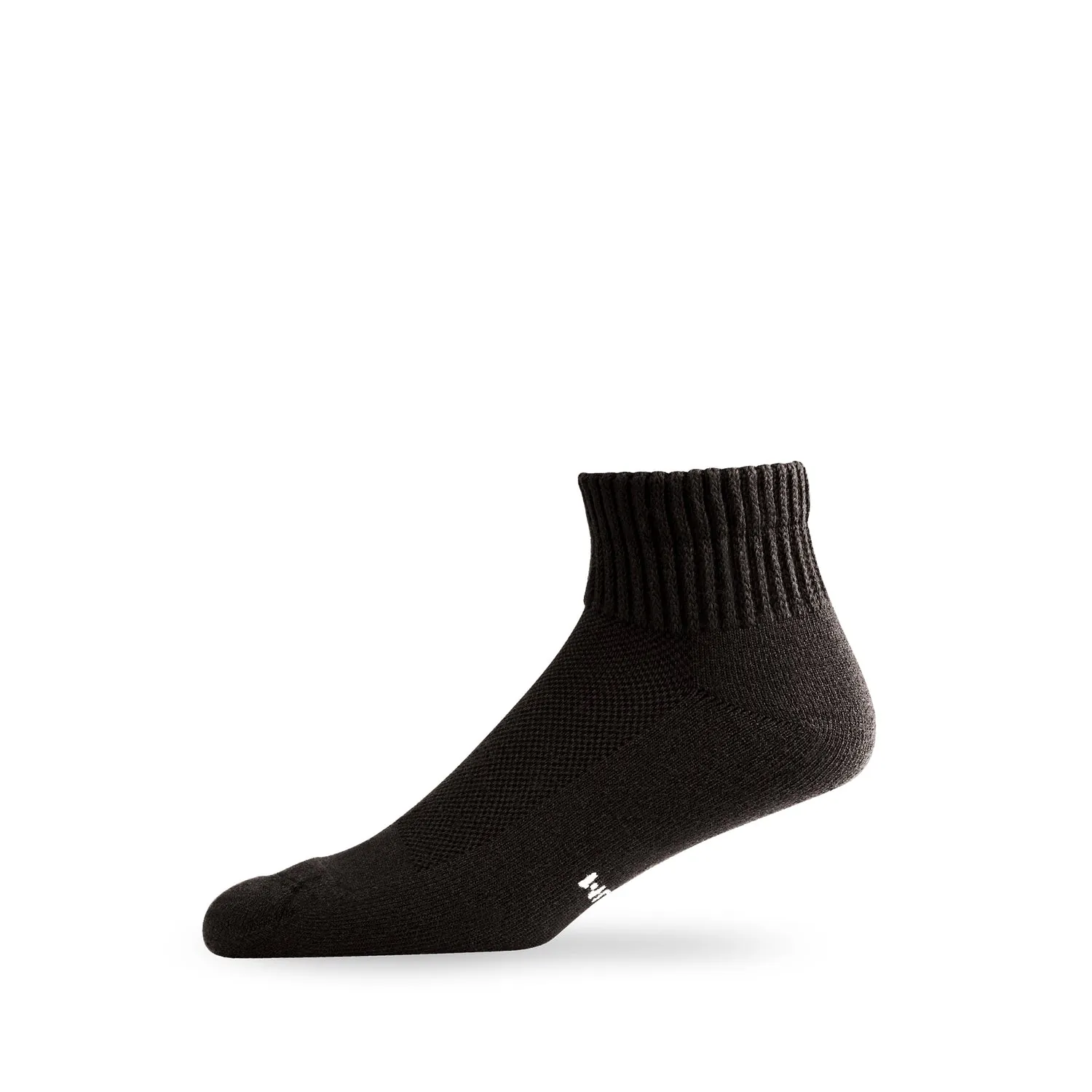
Diabetic crew socks are recommended for anyone with: – Type 1 or Type 2 diabetes – Diabetic neuropathy (numbness, tingling, or loss of feeling in the feet) – Poor circulation – A history of foot ulcers or slow-healing wounds
However, not every person with diabetes needs them immediately. If you have well-controlled blood sugar, no nerve damage, and healthy feet, standard soft, breathable socks may suffice—for now. But once neuropathy develops, switching becomes critical to prevent unnoticed injuries that can lead to serious complications.
That said, these socks can also benefit others: – People with swollen legs or edema (thanks to the non-binding top that won’t constrict) – Those recovering from foot surgery who need gentle support without pressure points – Anyone prone to fungal infections like athlete’s foot, since moisture-wicking fabrics help keep feet dry
Still, they’re not ideal for high-intensity sports. Their cushioning and fit prioritize protection over performance, so runners or hikers should look for diabetic athletic socks designed specifically for those activities—offering both safety and the right support for movement.
Key Features to Look For When Buying
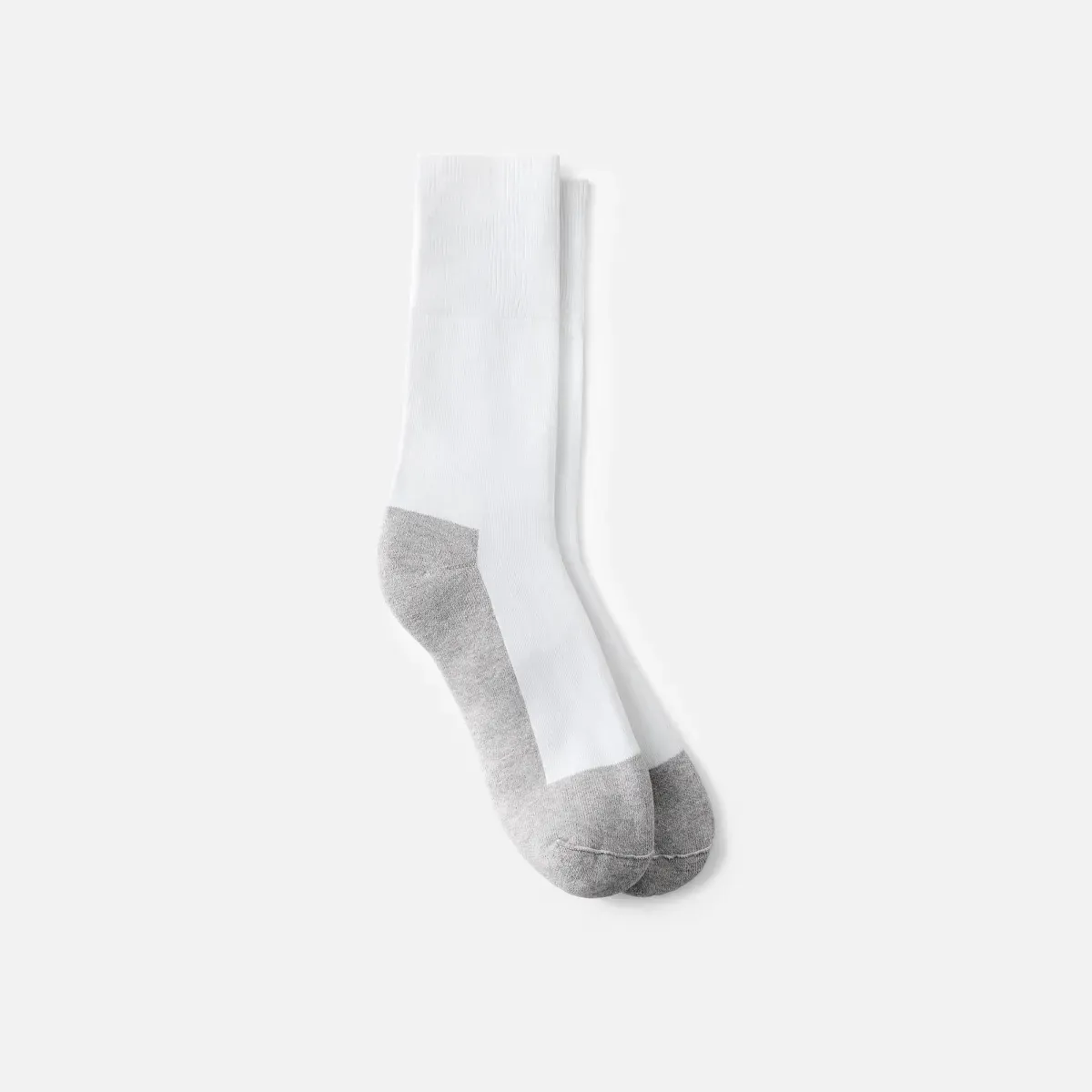
Not all “diabetic” socks meet the same standard. Since there’s no universal regulation for the term, check the label for these verified traits:
| Feature | What to Look For | Why It Matters |
|---|---|---|
| Top band | Smooth, stretchy, no tight elastic | Prevents cutting off circulation |
| Toe seam | Fully seamless or flat-knit closure | Reduces friction and blister risk |
| Material | Acrylic, bamboo, or synthetic blends (≤20% cotton) | Wicks moisture better than cotton |
| Cushioning | Moderate padding in high-pressure zones | Absorbs impact without adding bulk |
| Antimicrobial | Silver ions, copper fibers, or approved treatments | Fights bacteria that cause odor and infection |
Avoid socks labeled “diabetic” that still use thick elastic bands or rough stitching—marketing terms don’t guarantee function. Reputable brands often follow guidelines from wound-care specialists and podiatrists. For example, the American Podiatric Medical Association (APMA) evaluates foot health products and grants a Seal of Acceptance to those meeting clinical standards.
Common Mistakes to Avoid
Are thicker socks always better?
No. Extra thickness can compress toes inside shoes, increasing pressure and heat—both ulcer risks. Choose moderate cushioning that fits your shoe size without crowding.
Can I wear them overnight?
Generally, yes—but only if your feet stay dry and your doctor approves. Some people sweat more at night, which defeats the moisture-wicking purpose. If you have open sores or active infections, ask your healthcare provider first.
Do I need a prescription?
No. Diabetic crew socks are available over the counter. However, some insurance plans (like Medicare Part B) may cover therapeutic shoes and inserts if you have qualifying conditions—socks usually aren’t included, but it’s worth checking with your plan.
Never wear socks with holes, loose threads, or worn-out padding. Even small defects can create pressure points. Replace them every 3–6 months or sooner if they lose shape.
Frequently Asked Questions
Can non-diabetics wear diabetic crew socks?
Yes. Their comfort and non-restrictive design benefit anyone with sensitive skin, swelling, or circulation concerns—even without diabetes.
Are white socks required for diabetics?
Not required, but highly recommended. Light-colored socks make it easier to spot blood, drainage, or dirt—early signs of injury or infection you might otherwise miss.
Do diabetic socks help with cold feet?
They can, thanks to insulating materials like acrylic. But avoid using heating pads or hot water bottles to warm feet—nerve damage may prevent you from sensing burns. Instead, layer with proper footwear or use socks designed for warmth without compression.
Conclusion
If you have diabetes, treating your feet as high-priority care areas isn’t optional—it’s essential. Start by switching to true diabetic crew socks and pair them with daily foot checks and well-fitting shoes. For personalized advice, talk to a podiatrist or your diabetes care team; they can assess your risk level and recommend the right type. Small daily habits like this dramatically lower your chance of serious complications.
{“@context”:”https://schema.org”,”@type”:”FAQPage”,”mainEntity”:[{“@type”:”Question”,”name”:”Can non-diabetics wear diabetic crew socks?”,”acceptedAnswer”:{“@type”:”Answer”,”text”:”Yes. Their comfort and non-restrictive design benefit anyone with sensitive skin, swelling, or circulation concerns—even without diabetes.”}},{“@type”:”Question”,”name”:”Are white socks required for diabetics?”,”acceptedAnswer”:{“@type”:”Answer”,”text”:”Not required, but highly recommended. Light-colored socks make it easier to spot blood, drainage, or dirt—early signs of injury or infection you might otherwise miss.”}},{“@type”:”Question”,”name”:”Do diabetic socks help with cold feet?”,”acceptedAnswer”:{“@type”:”Answer”,”text”:”They can, thanks to insulating materials like acrylic. But avoid using heating pads or hot water bottles to warm feet—nerve damage may prevent you from sensing burns. Instead, layer with proper footwear or use socks designed for warmth without compression.”}}]}
0 Comments