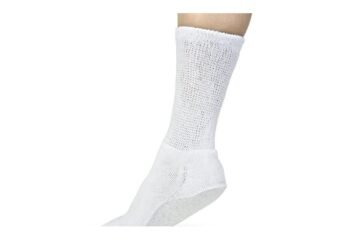
Diabetic crew socks help protect sensitive feet by reducing pressure, preventing blisters, and improving circulation. They’re made without tight elastic bands, have seamless toes, and use moisture-wicking fabric to lower the risk of sores or infections—common concerns for people with diabetes who may have nerve damage or poor blood flow in their feet.
How diabetic crew socks work
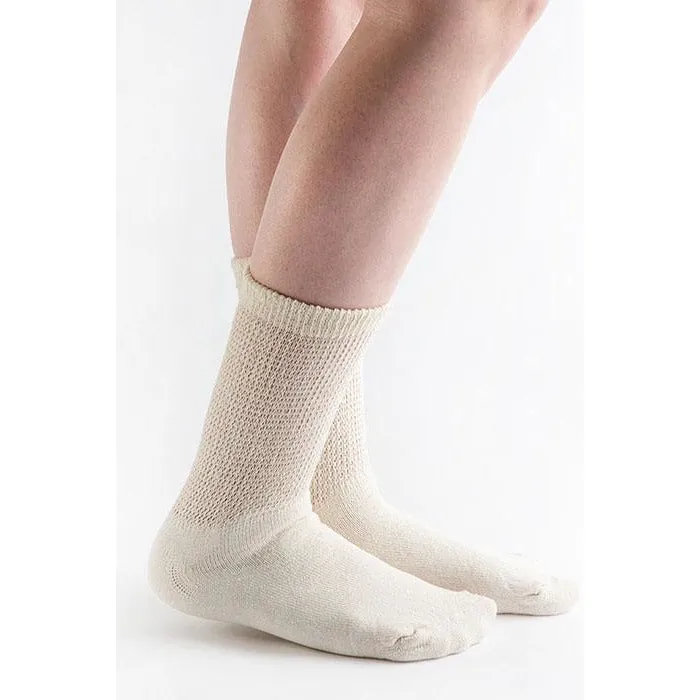
Diabetic crew socks are designed specifically to support foot health in people with diabetes. Unlike regular socks, they avoid constricting the leg with tight elastic tops, which can restrict blood flow—look for a soft, stretchy band that stays up without digging in. The toe seam is either absent or flat to prevent rubbing that could cause ulcers, especially since nerve damage may mean you won’t feel the irritation until it’s too late.
Most are made from soft, breathable blends like cotton, acrylic, or bamboo that pull moisture away from the skin—since dampness raises infection risk. Some also include extra cushioning under the sole for shock absorption without adding pressure points, but avoid thick padding that bunches or creates folds inside your shoe.
Tip: Always check that the sock label says “non-binding” or “diabetic”—not all soft-looking socks meet these standards. A sock that feels comfortable in the store might still have hidden seams or elastic that tightens after a few hours of wear.
These features matter because diabetes can cause peripheral neuropathy (nerve damage), making it hard to feel cuts or blisters. Poor circulation slows healing, so even a small sore can become serious. The American Diabetes Association emphasizes daily foot checks and proper footwear—including socks—as key prevention steps. If you notice red marks, swelling, or warmth after removing your socks, switch styles immediately; those are early warning signs of pressure or friction injury.
Key features to look for
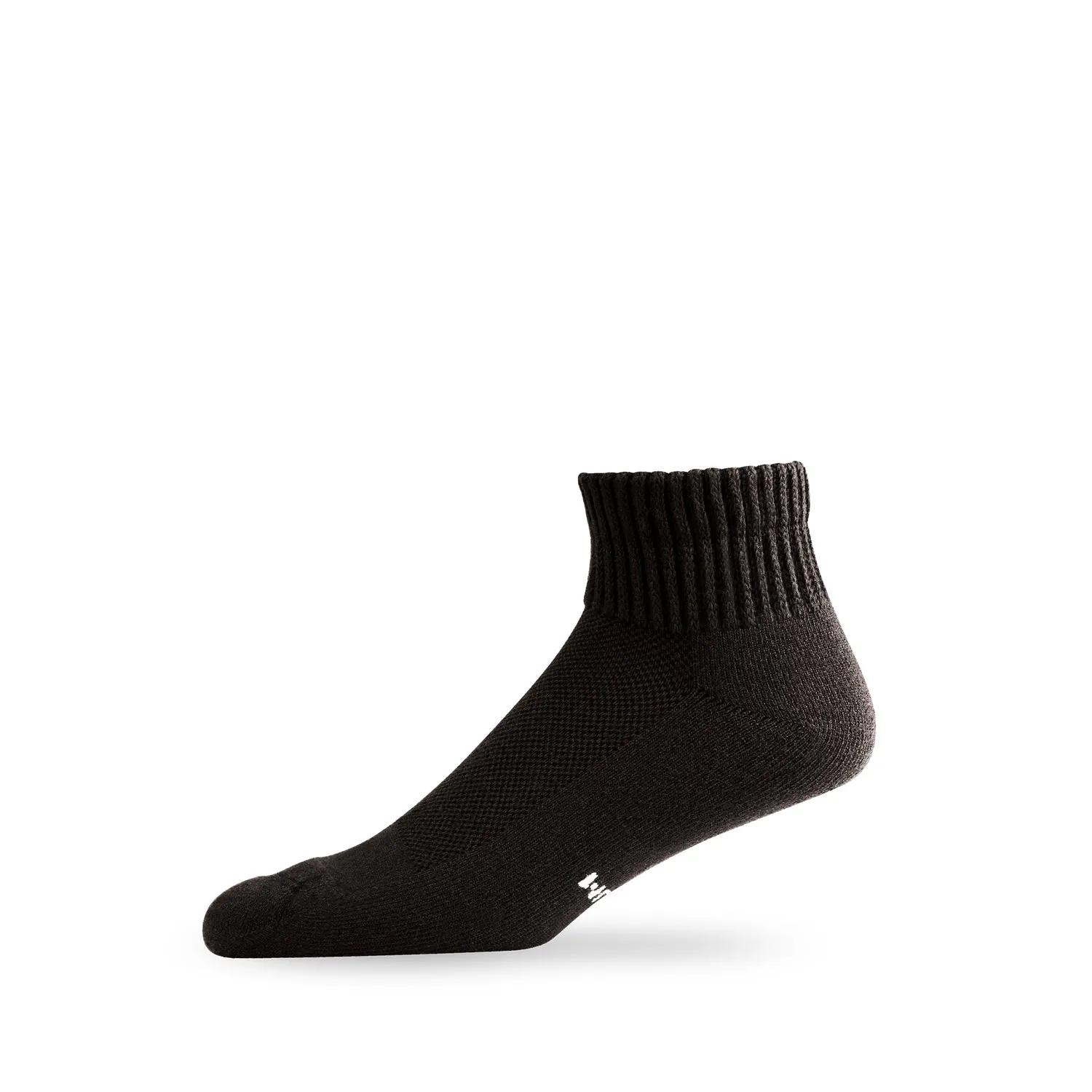
Not every sock labeled “diabetic” offers the same protection. Focus on these proven traits:
- Non-elastic top band: Leaves no indentation on the skin, which is critical if you have swelling or poor circulation
- Seamless or flat-toe seam: Reduces friction on toes—especially important if you have neuropathy and can’t feel developing sores
- Moisture-wicking material: Keeps feet dry (avoid 100% cotton—it holds moisture and raises infection risk)
- Light to moderate cushioning: Adds comfort without bulk that could pinch in shoes
- Antimicrobial treatment (optional): Helps control odor and bacteria, useful if you’re prone to foot infections
Avoid socks with interior tags, thick seams, or decorative stitching inside—they create hidden pressure spots that can lead to ulcers. Also skip compression socks unless your doctor specifically recommends them; standard diabetic socks should not compress.
The right fit matters too. Socks that are too loose can bunch and cause blisters; too tight, and they cut off circulation. Measure your shoe size and match it to the sock size chart—don’t assume “one size fits all.” If your feet swell by afternoon, try a slightly wider calf option rather than sizing up in length.
When diabetic socks aren’t enough
Diabetic crew socks help prevent problems but won’t fix existing wounds or infections. If you notice redness, swelling, drainage, or a sore that doesn’t start healing in 1–2 days, see a healthcare provider right away. The same goes for numbness, tingling, or changes in foot shape—these can signal worsening neuropathy or Charcot foot, a serious joint condition that can cause permanent deformity if not treated early.
Also, socks alone can’t compensate for ill-fitting shoes. Always wear properly sized footwear with a wide toe box and smooth interior lining to avoid pressure points. The Centers for Disease Control and Prevention (CDC) notes that up to 85% of diabetes-related amputations begin with a foot ulcer—and most are preventable with consistent daily care, including clean, protective socks and shoes.
People with advanced neuropathy or a history of foot ulcers may need custom therapeutic footwear, which Medicare Part B may cover if prescribed by a doctor under CMS guidelines. Don’t wait for pain to act—nerve damage often means you won’t feel injuries until they’re severe. Check your feet every day, even between toes, and treat any break in the skin as urgent.
Related guides
Frequently Asked Questions
Can anyone wear diabetic socks, or just people with diabetes?
Anyone can wear them—they’re comfortable and gentle on feet. But they’re especially important for people with diabetes, neuropathy, or circulation issues. If you don’t have these conditions, regular socks are usually fine.
Do diabetic socks need to be white?
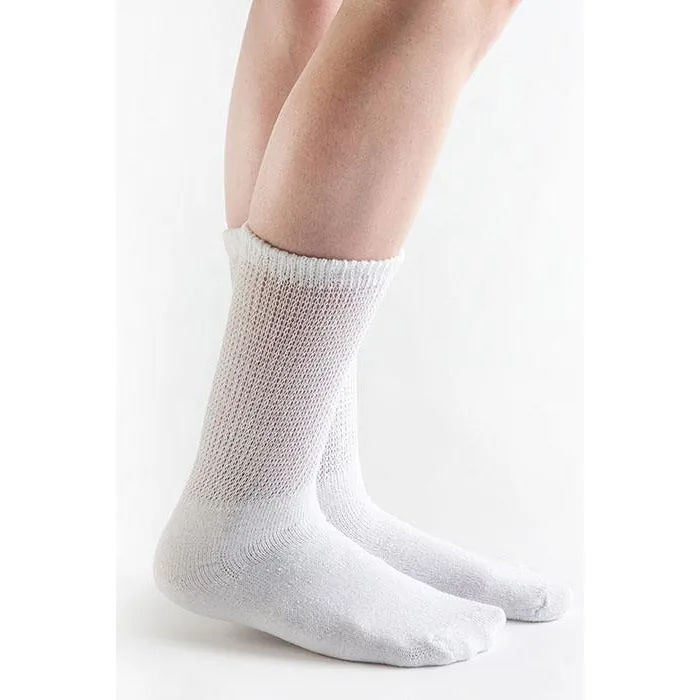
No, but many are white so it’s easier to spot blood, drainage, or dirt. Colored versions exist, but light shades still make monitoring easier. Color doesn’t affect function as long as the key features (non-binding, seamless, moisture-wicking) are present.
How often should I replace diabetic socks?
Replace them every 3–6 months, or sooner if they stretch out, develop holes, or lose elasticity. Worn-out socks can bunch or slip, creating friction. Wash them inside out in cold water and air-dry to extend their life.
Conclusion
Start by checking your current socks for tight bands or rough seams—and swap them out if they fail the “no mark on skin” test. Pair your new diabetic crew socks with daily foot inspections and well-fitted shoes to significantly lower ulcer risk. If you have diabetes, mention foot care at every doctor visit; early support prevents major complications.
{“@context”:”https://schema.org”,”@type”:”FAQPage”,”mainEntity”:[{“@type”:”Question”,”name”:”Can anyone wear diabetic socks, or just people with diabetes?”,”acceptedAnswer”:{“@type”:”Answer”,”text”:”Anyone can wear them—they’re comfortable and gentle on feet. But they’re especially important for people with diabetes, neuropathy, or circulation issues. If you don’t have these conditions, regular socks are usually fine.”}},{“@type”:”Question”,”name”:”Do diabetic socks need to be white?”,”acceptedAnswer”:{“@type”:”Answer”,”text”:”No, but many are white so it’s easier to spot blood, drainage, or dirt. Colored versions exist, but light shades still make monitoring easier. Color doesn’t affect function as long as the key features (non-binding, seamless, moisture-wicking) are present.”}},{“@type”:”Question”,”name”:”How often should I replace diabetic socks?”,”acceptedAnswer”:{“@type”:”Answer”,”text”:”Replace them every 3–6 months, or sooner if they stretch out, develop holes, or lose elasticity. Worn-out socks can bunch or slip, creating friction. Wash them inside out in cold water and air-dry to extend their life.”}}]}
0 Comments