The best way to use stretch bands is to maintain constant tension throughout each movement, performing 2 to 3 sets of 10 to 15 slow, controlled repetitions for each exercise. You’ll want to anchor the band securely to a stable object or under your feet to ensure it doesn’t snap back during your workout.
Getting the Most Out of Stretch Bands
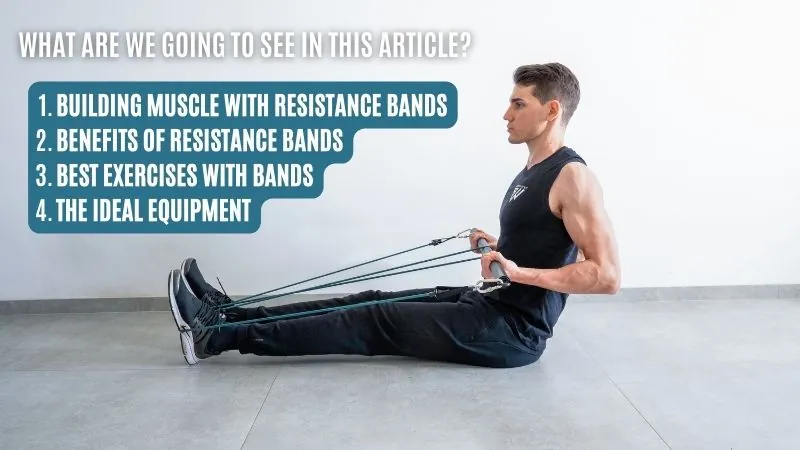
Follow these steps to ensure you’re getting the most out of your training without risking injury or snapping the material.
Check the band condition. Inspect the surface for any small tears, cracks, or white spots before every single use. If you see damage, stop using it immediately because a snapping band can cause serious injury. If the rubber feels tacky or leaves residue on your skin, it’s degrading and must be replaced regardless of visible cracks.
Secure the anchor point. Wrap the band around a heavy, immovable object like a sturdy metal pole or a closed door with a dedicated anchor attachment. Never wrap it around sharp corners, as the friction will slice the material under tension. If you anchor to a door, always use the side that closes toward you so the band can’t pull the door open.
Establish your stance. Stand with your feet hip-width apart and keep your core muscles engaged throughout the motion. If you’re standing on the band, ensure your feet are flat to prevent it from slipping out from under your shoes. If you feel the band shifting, widen your stance to increase the friction against the floor.
Maintain constant tension. Move slowly through the entire range of motion, focusing on the resistance during both the stretching and returning phase. Don’t let the band go slack at the bottom of the movement, as this removes the load from your muscles. If the band goes limp, shorten your grip to increase the baseline tension.
Control the return. Never let the band snap back to its starting position quickly, as this puts unnecessary stress on your joints. Take 2 seconds to stretch the band and 3 seconds to return it to the neutral position. If you can’t control the return, the band is too heavy for your current strength level.
Recommended Resistance and Repetition Ranges
The intensity you choose should depend on your current strength level and the specific muscle group you’re training. Most people benefit from starting with a lighter band to master their form before moving to thicker, more resistant options.
| Band Color | Resistance Level | Best Use Case |
|---|---|---|
| Yellow/Light | 2–5 lbs | Physical therapy and mobility |
| Red/Medium | 5–15 lbs | Shoulder and arm isolation |
| Blue/Heavy | 15–30 lbs | Compound leg and back movements |
| Black/Extra Heavy | 30+ lbs | Advanced strength building |
If you can complete 20 repetitions with perfect control, the resistance is too low for muscle growth. Move up a tier immediately. Conversely, if your form breaks down before hitting 8 reps, the tension is excessive and risks injury.
Aim for a sweet spot of 10 to 15 repetitions per set. This range triggers the metabolic stress required for hypertrophy. If you’re training for raw power, keep the reps under 8 but increase the band tension to ensure the final three repetitions feel nearly impossible to finish.
Preventing Common Training Mistakes
Many people make the mistake of using a band that’s too thick, which forces them to use poor form just to complete a single repetition. If you can’t complete the movement smoothly, you need to switch to a lighter band. A simple test is to hold the peak contraction for three seconds; if your limb shakes uncontrollably or your torso twists to compensate, the resistance is too high.
Another common error is failing to anchor the band properly. If you’re using a door, always ensure the anchor is on the hinge side so the door doesn’t swing open if the seal fails. If you lack a sturdy frame, loop the band around a heavy, immovable object like a weight rack or a support pillar.
Start with half the amount of repetitions you think you can handle to see how your muscles react the following day. If you feel no soreness, increase the volume by two repetitions per set the following week.
Avoid holding your breath during resistance training, as this causes a dangerous spike in blood pressure. Exhale during the exertion phase and inhale as you return to the starting position. If you feel sharp pain in your joints or experience dizziness, stop your session immediately and rest.
Related guides
- What Diabetic Crew Socks Do to Protect Your Feet | Health Notation
- What Are Diabetic Crew Socks and How Do They Help? | Health Notation
- M&M Recall Due to Health Risk: What Consumers Should Know
Frequently Asked Questions
Can I use stretch bands every day?
You can use them daily for light mobility or stretching, but you should allow at least 48 hours of rest between intense strength-building sessions. Muscles need time to repair themselves after being subjected to significant resistance, which is how you gain strength.
How do I know if my band is safe to use?
Check for any visible nicks or surface thinning by pulling the band slightly to see if the material looks uniform. If the rubber feels sticky or shows visible cracks, it has reached the end of its life and must be replaced to prevent it from snapping during use.
Is it better to use handles or the band itself?
Handles offer a more comfortable grip for pulling exercises, while gripping the band directly allows for greater versatility in hand positioning. If holding the band directly, wrap it around your palm once to prevent slipping, but never wrap it tightly around your wrists or fingers to avoid restricting circulation.
Conclusion
Consistency is the secret to seeing real progress with your new routine. Don’t worry if you feel a bit shaky at first, as your muscles will adapt quickly to the resistance. Pick out one simple move to try tomorrow morning, and you’ll be well on your way to feeling stronger every day.
{“@context”:”https://schema.org”,”@type”:”FAQPage”,”mainEntity”:[{“@type”:”Question”,”name”:”Can I use stretch bands every day?”,”acceptedAnswer”:{“@type”:”Answer”,”text”:”You can use them daily for light mobility or stretching, but you should allow at least 48 hours of rest between intense strength-building sessions. Muscles need time to repair themselves after being subjected to significant resistance, which is how you gain strength.”}},{“@type”:”Question”,”name”:”How do I know if my band is safe to use?”,”acceptedAnswer”:{“@type”:”Answer”,”text”:”Check for any visible nicks or surface thinning by pulling the band slightly to see if the material looks uniform. If the rubber feels sticky or shows visible cracks, it has reached the end of its life and must be replaced to prevent it from snapping during use.”}},{“@type”:”Question”,”name”:”Is it better to use handles or the band itself?”,”acceptedAnswer”:{“@type”:”Answer”,”text”:”Handles offer a more comfortable grip for pulling exercises, while gripping the band directly allows for greater versatility in hand positioning. If holding the band directly, wrap it around your palm once to prevent slipping, but never wrap it tightly around your wrists or fingers to avoid restricting circulation.”}}]}

0 Comments